

 Request a Quote
Start shipping now
Request a Quote 
Start shipping now
Request a Quote
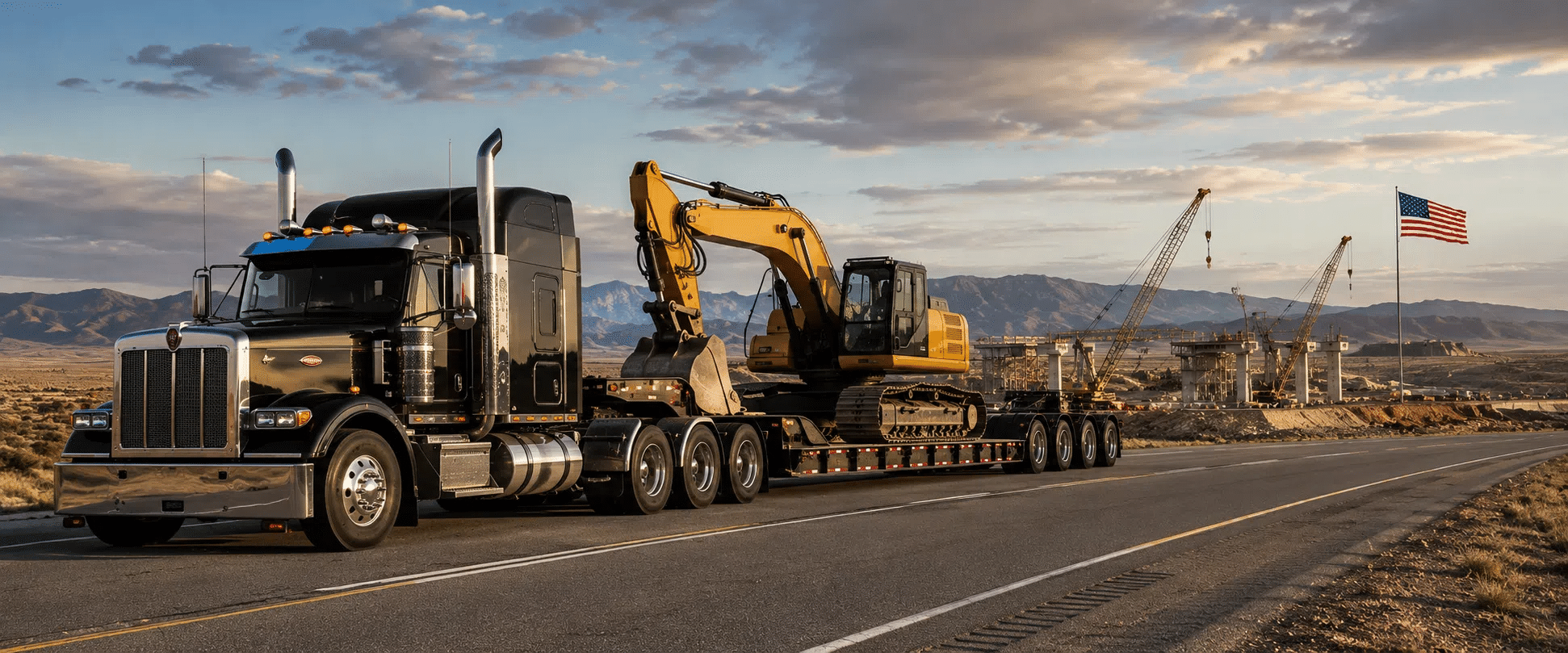
Step deck vs. lowboy: which trailer suits your freight? The answer depends on height, weight, and how you load. LAC™ brings 25+ years of commercial freight experience across the United States, Canada, and Mexico, coordinating a network of vetted carriers.
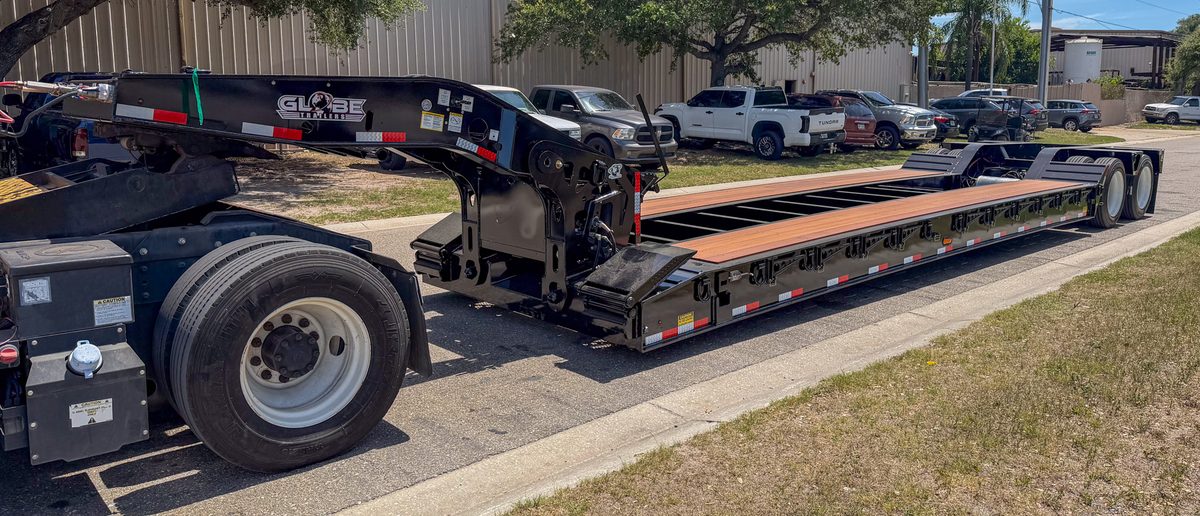
A step deck has two deck levels: a short raised upper deck at the front and a longer lower main deck behind it. So what is a lowboy? It is a trailer whose main deck sits lower still, in a well between the gooseneck and the rear axles. Terminology varies, and some carriers use lowboy and double drop interchangeably. In the lowboy vs. step deck decision, LAC applies 25+ years of experience to match the right trailer to the freight.
Deck height is the clearest difference, and these verified figures are the ones to plan around:
| Trailer | Deck height above ground |
|---|---|
| Lowboy trailers | About 18 to 24 inches, with some double-drop configurations up to about 30 inches |
| Step deck lower deck | About 3.5 feet (42 inches), with an industry range of about 35 to 42 inches |
A lower deck leaves more height for the freight. Exact figures vary by model, so the carrier confirms them for the assigned unit.
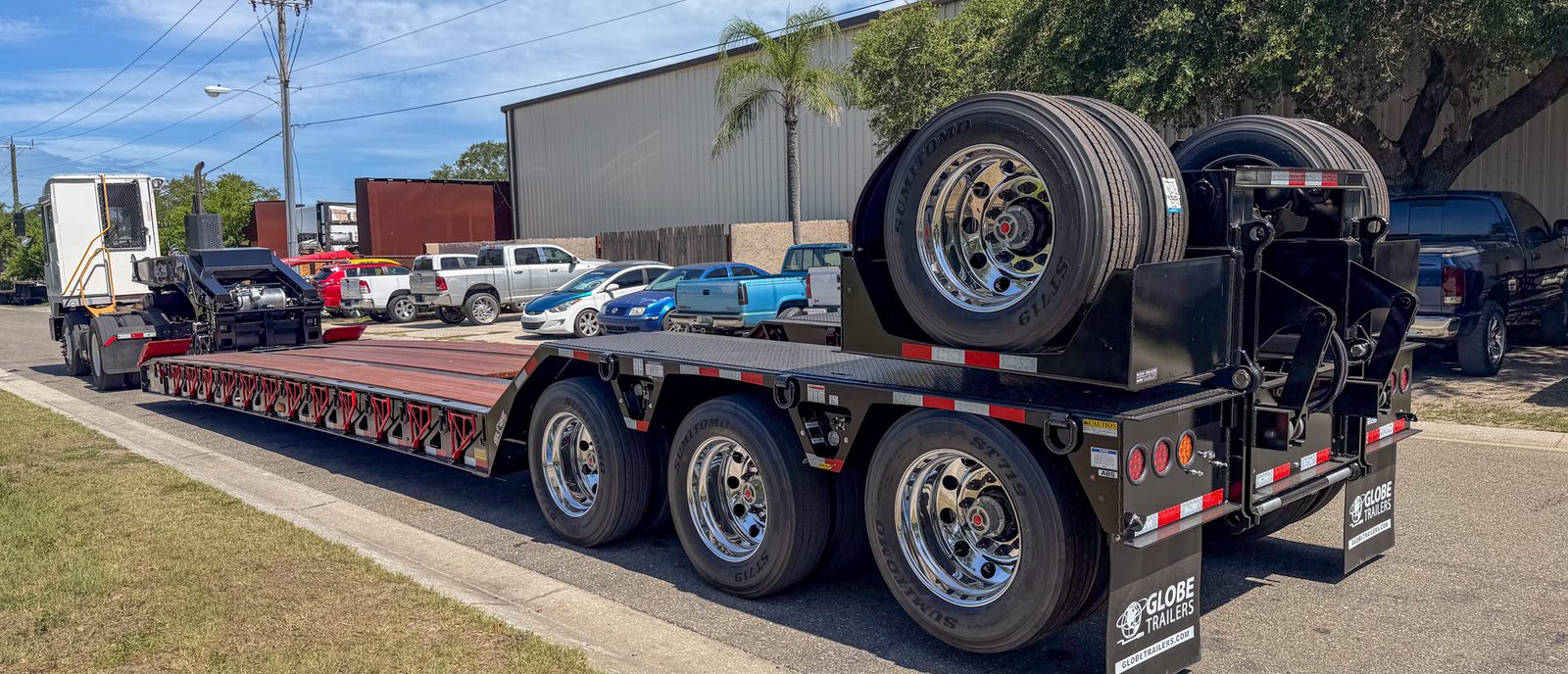
Step deck loading may use ramps, forklifts, or cranes, depending on the freight and the equipment available at the site. Lowboy loading depends on the configuration. A removable gooseneck lowboy, often called an RGN lowboy, allows drive-on loading from the front once the gooseneck is detached, while a fixed gooseneck lowboy uses a crane or rear ramps. The loading method is agreed with the carrier in advance, because it affects the equipment sent, the time on site, and the securement.
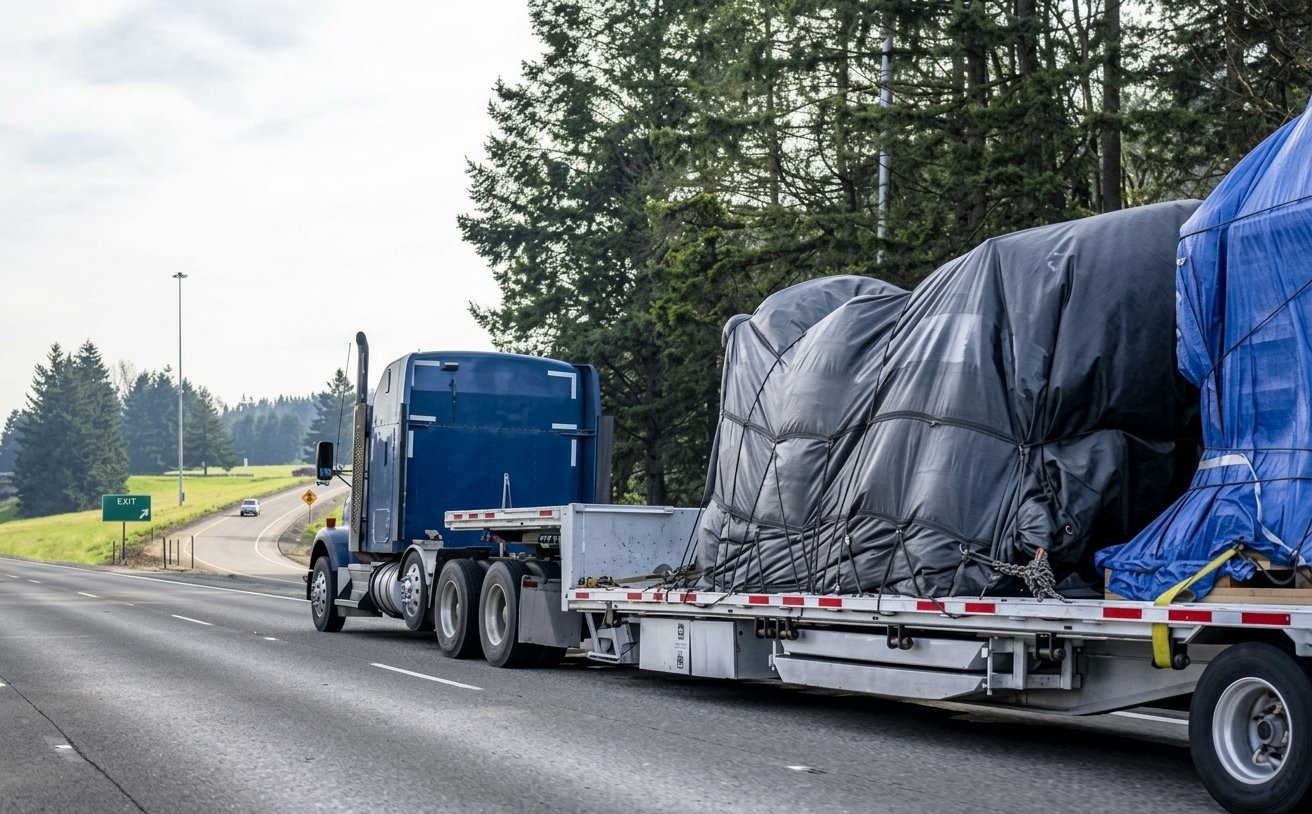
Freight height usually settles the step deck vs lowboy question first. A lower deck leaves more room for tall freight, so the tallest pieces move on a lowboy, while freight that only slightly exceeds what a flatbed can carry often fits a step deck. The loaded height is what matters, not the freight alone. U.S. reference: loads above 13.5 feet tall are commonly oversize, and limits vary by state, province, Mexican authority, and route, so check early in planning.
Lowboys are generally used for heavier freight, and a trailer’s capacity depends on its construction and axle configuration, not the trailer type alone. Gross weight is planned alongside height, because the same piece can be both tall and heavy. U.S. reference: loads above 80,000 pounds are commonly overweight; limits vary by road system, axles, and jurisdiction, including Mexico. LAC specialists confirm the rating of the specific trailer and axle setup with the carrier ahead of booking.
A step deck fits when a few conditions line up:
When they do, the step deck is the simpler choice, and LAC specialists confirm it against the dimensions and the route.
LAC specialists compare the step deck and lowboy options for each load, confirm height, weight, loading method, and route considerations with vetted carriers, and coordinate the move within and across the United States, Canada, and Mexico, from the first freight details through to final delivery. With 25+ years of commercial freight experience across all three countries and bilingual English and Spanish support, LAC is ready to help you place your next load on the right trailer for its height.
Learn from the experiences of those who matter most: our customers









 LAC Blog
 Export Guides
 Transport Guides
 Logistics Glossary
 Container Types Guide
 Trailers Types Guide
 Incoterms 2020 Rules