

 Request a Quote
Start shipping now
Request a Quote 
Start shipping now
Request a Quote
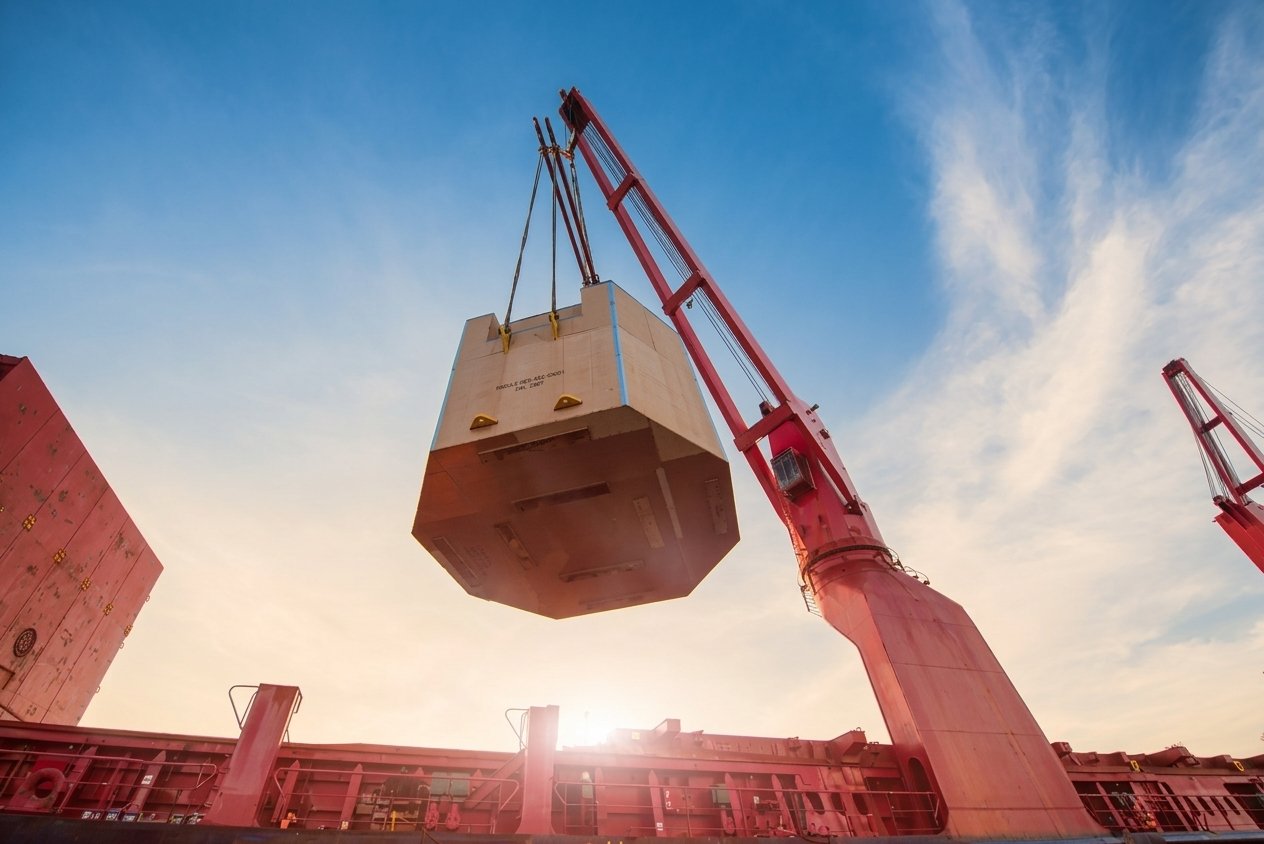
Break bulk shipping moves cargo that doesn’t fit in a container as individual pieces lifted aboard the vessel. LAC™ brings 25+ years of experience and a network of vetted carriers to move cargo between North America, Latin America, and the Caribbean.
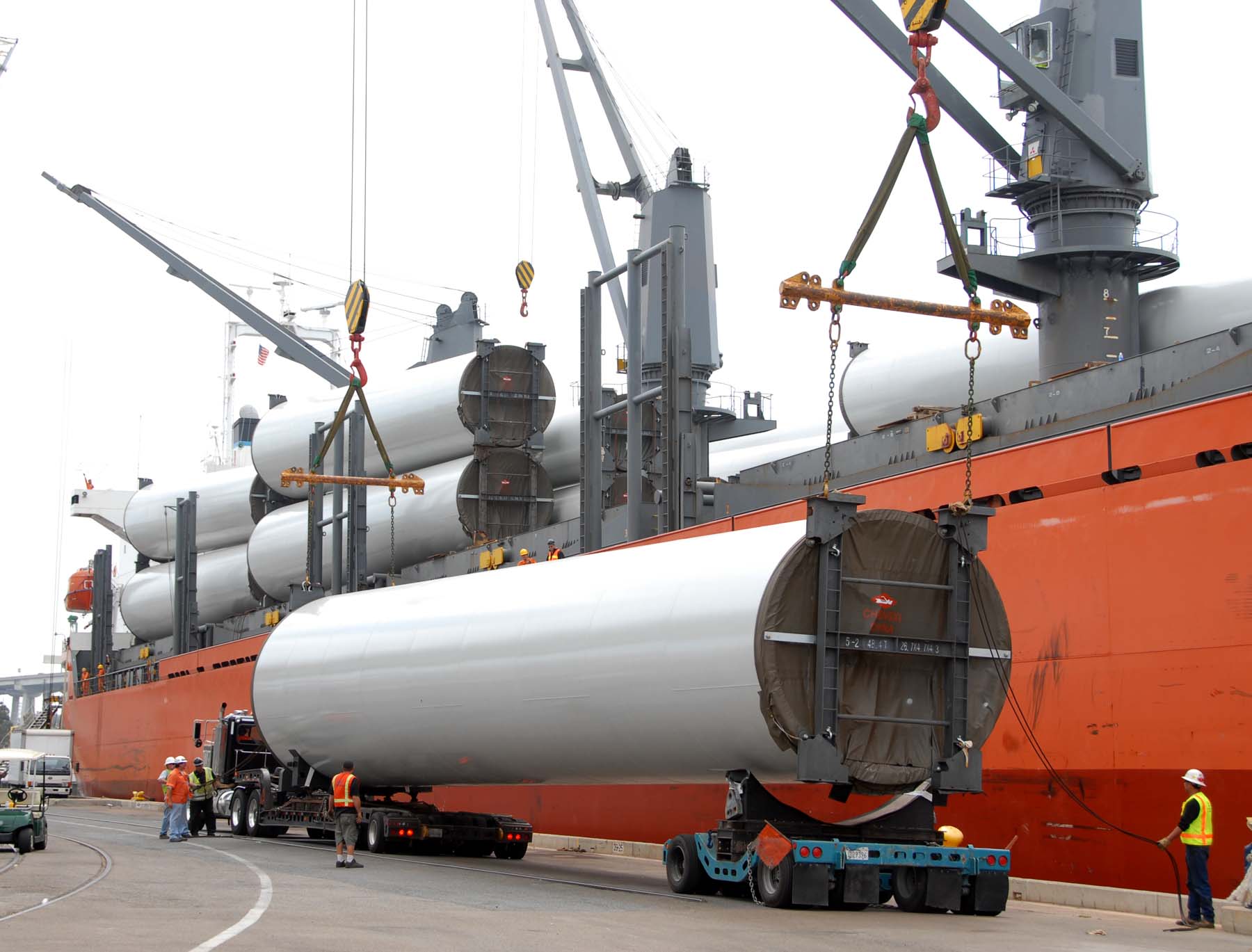
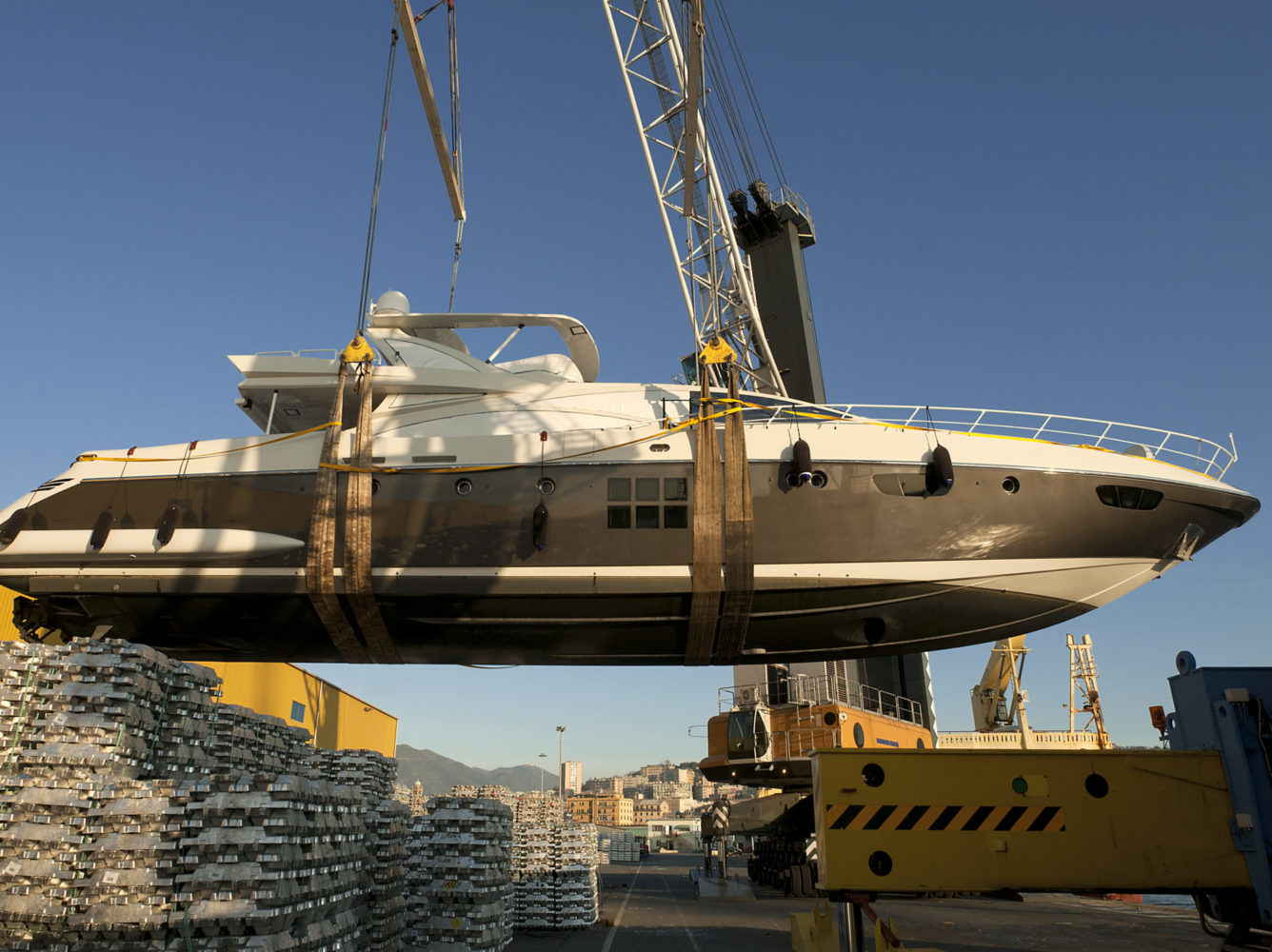
Break bulk shipping moves non-containerized cargo as separate pieces. Rather than sealed in a box, each crate, drum, pallet, or machine is handled individually: lifted onto the vessel by port cranes or the vessel’s crane, placed in a hold or on deck, and secured for the voyage. It remains the practical answer for pieces that will not fit a container. LAC brings 25+ years of experience and a network of vetted carriers to each break bulk move.
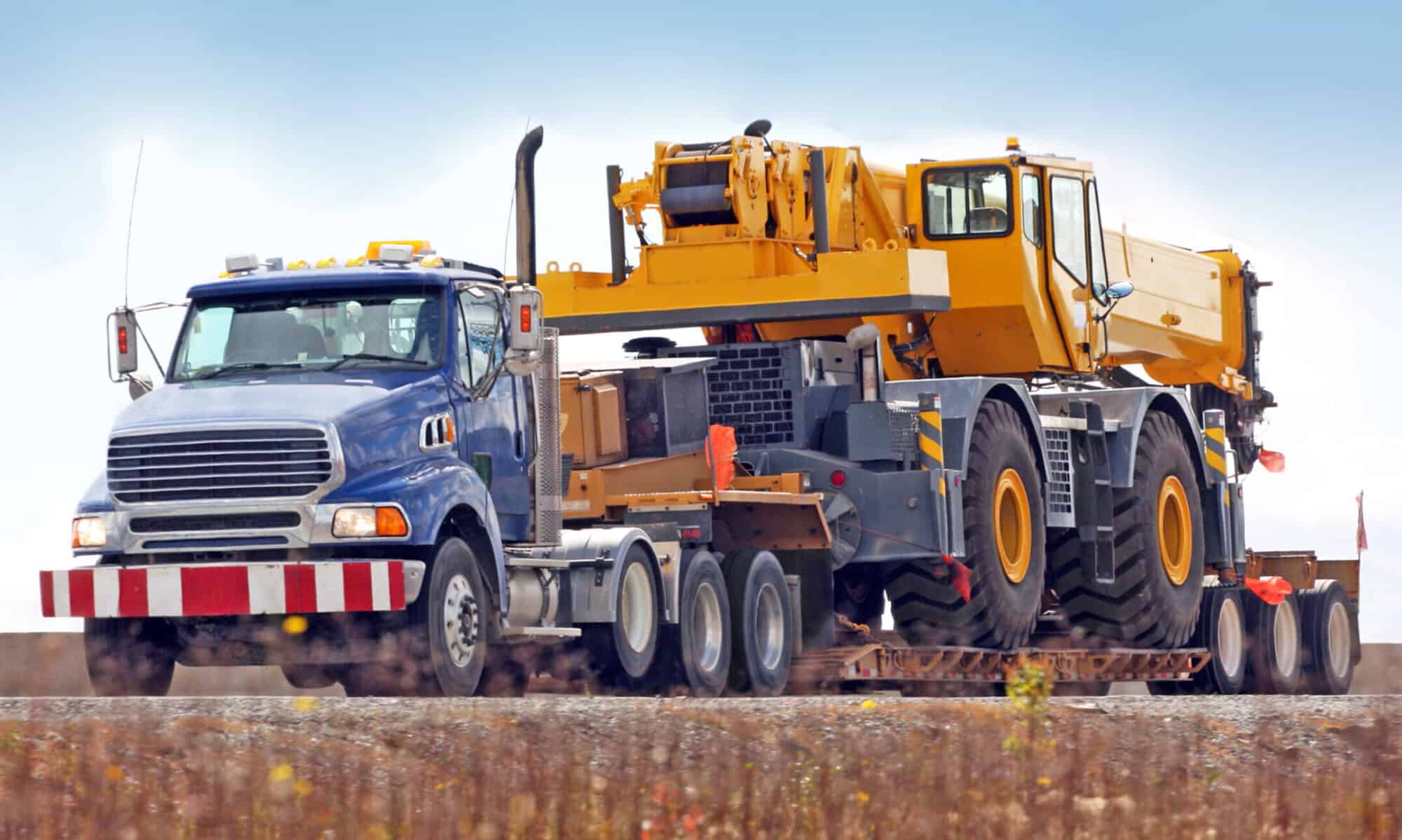
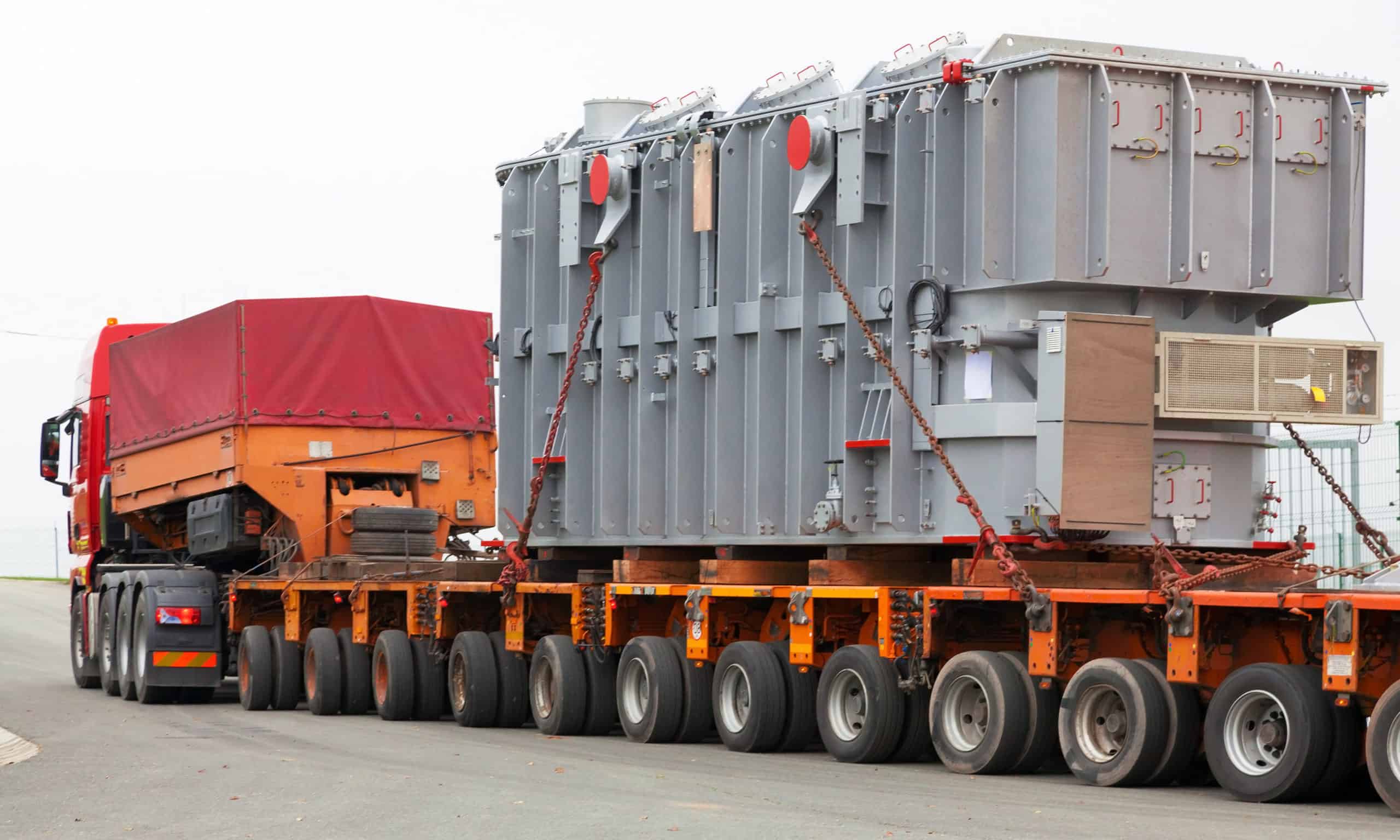
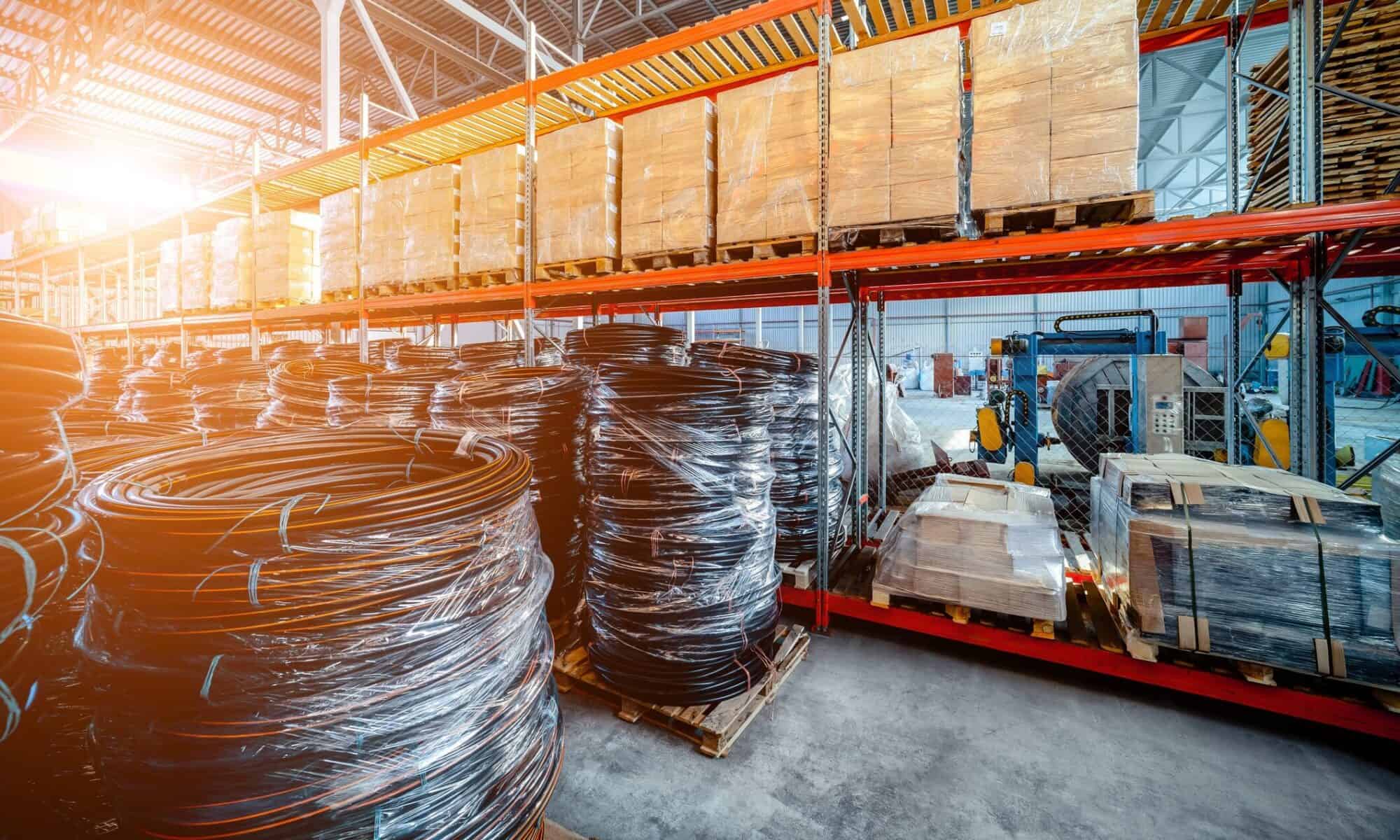
Break bulk cargo examples are easy to recognize once the pattern is clear: large, heavy or awkward commercial pieces that are shipped on their own.
Each piece is documented, lifted and stowed individually, which is why the cargo list matters from the first conversation, and why packaging and lifting points are discussed before a vessel is booked.
Break bulk fits when cargo is too large, too heavy, or too awkward for a container, which is common in construction, energy, mining and marine projects. Out-of-gauge pieces and heavy cargo are typical break bulk candidates. Break bulk can often reach smaller ports without container terminals, which matters when the destination is a project site rather than a major hub. LAC reviews the dimensions, weight, and destination port, then confirms fit with its carrier network before booking.
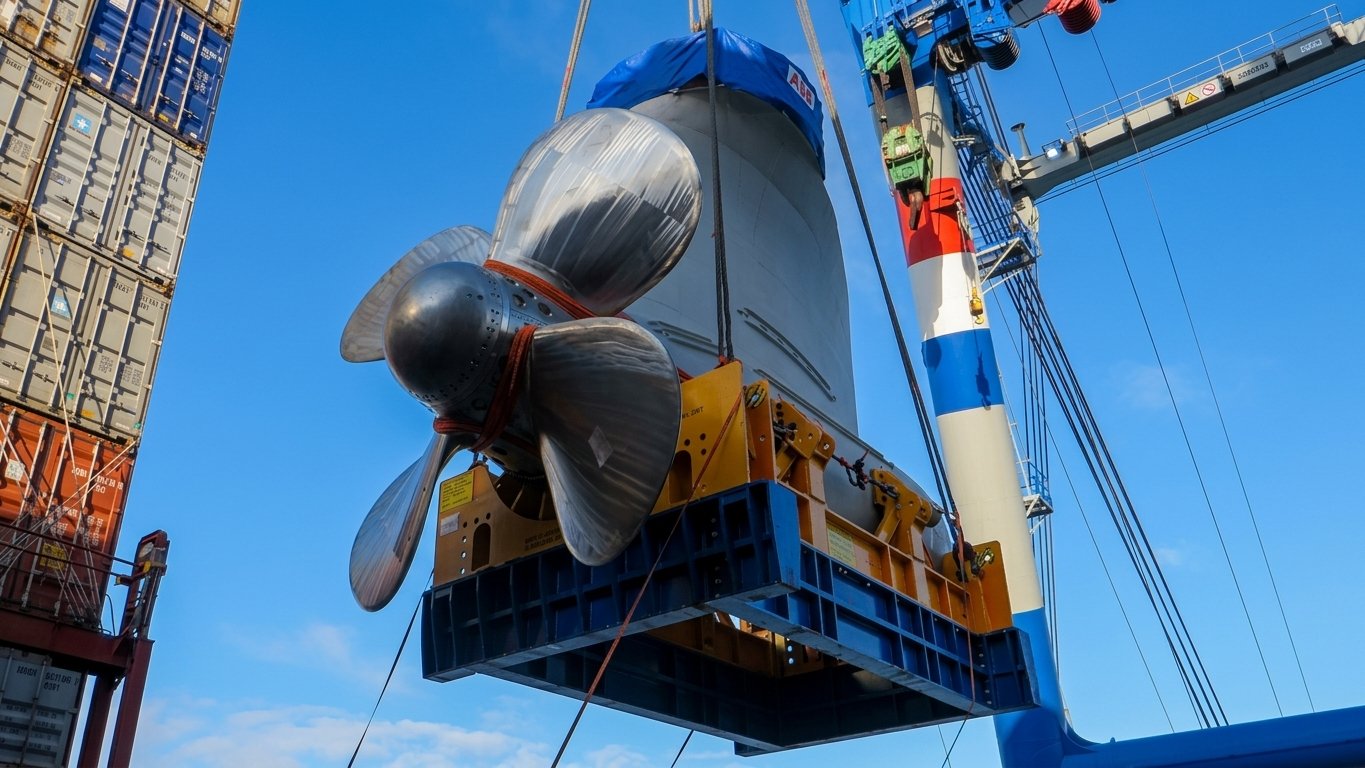
Break bulk vs container shipping comes down to handling. Break bulk uses individual lifts for each piece and a stowage plan that places it in the hold or on deck. Containers use standardized handling, with standard container equipment moving the box. Containers suit cargo that fits inside them, while break bulk suits cargo that does not. Choose by cargo size, weight, and route, and let the piece, not habit, decide the method for each move and each destination port.
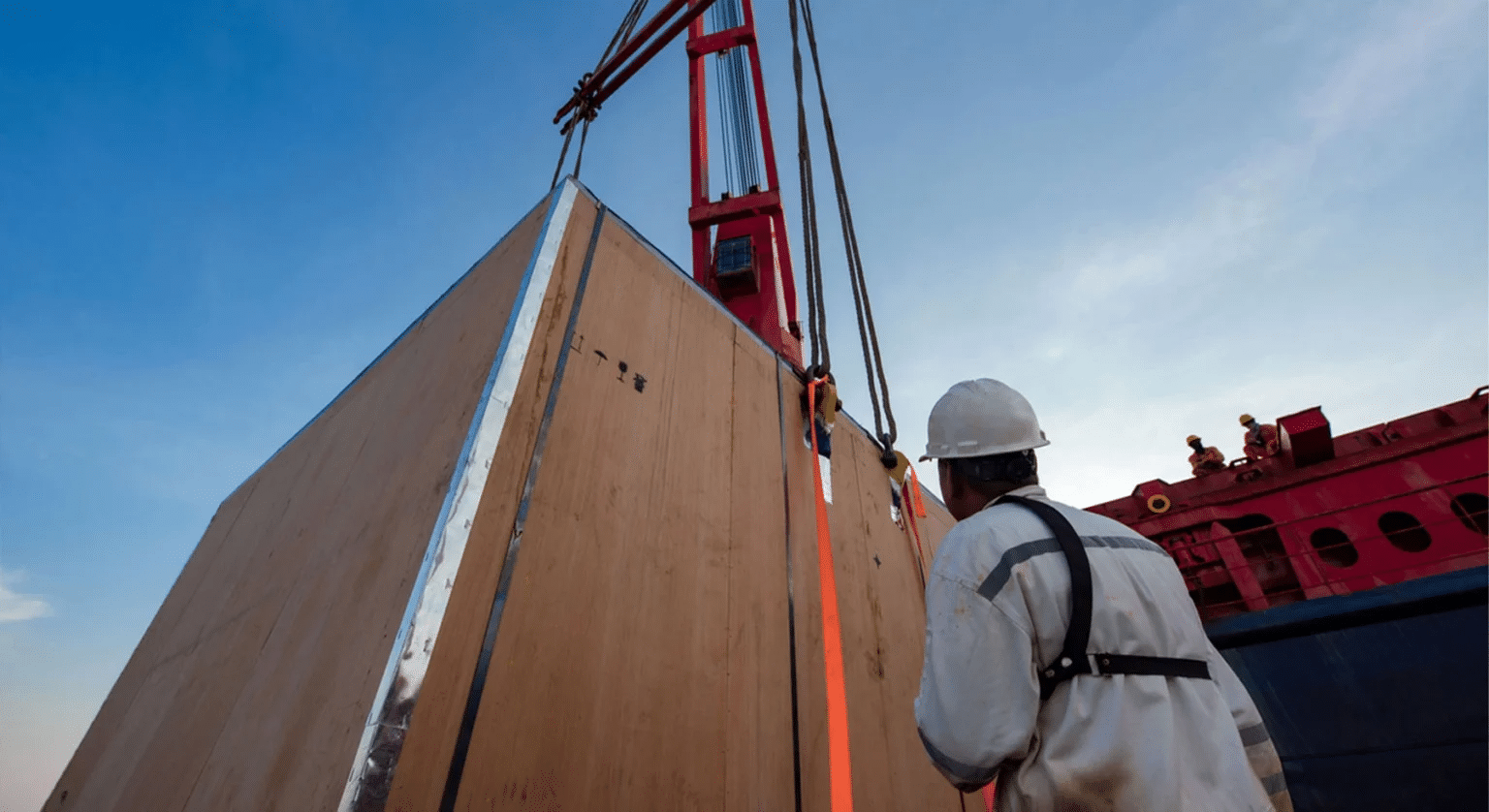
Break bulk ocean freight depends as much on the ports as on the vessel. Port capability varies across Latin America and the Caribbean: some ports have heavy lift cranes and open storage, while others rely on the vessel’s own gear. Routing matches the cargo, so a piece that needs a shore crane goes to a port that has one. LAC coordinates that routing with its vetted carrier network and lists breakbulk among its ocean services alongside RORO.
Loading begins with packaging. Pieces are reinforced for repeated lifting, then raised by crane according to a stowage plan that sets where each one sits in the hold or on deck, with weight and shape balanced across the vessel. Break bulk cargo handling continues at the destination port, where the same care applies in reverse as each piece is lifted off the vessel. Each step follows the same sequence: package, lift, place, and confirm the stowage before the vessel sails.
A break bulk move succeeds on preparation: an accurate cargo list, lifting-ready packaging, a port that can handle the pieces, and ground legs arranged at both ends. LAC coordinates the voyage and ground legs through vetted carriers, coordinates documentation requirements alongside, and plans timing around the vessel schedule. With 25+ years of experience across North America, Latin America, and the Caribbean, LAC plans each break bulk move around the cargo itself, not a standard box.
Learn from the experiences of those who matter most: our customers








 LAC Blog
 Export Guides
 Transport Guides
 Logistics Glossary
 Container Types Guide
 Trailers Types Guide
 Incoterms 2020 Rules