

 Request a Quote
Start shipping now
Request a Quote 
Start shipping now
Request a Quote
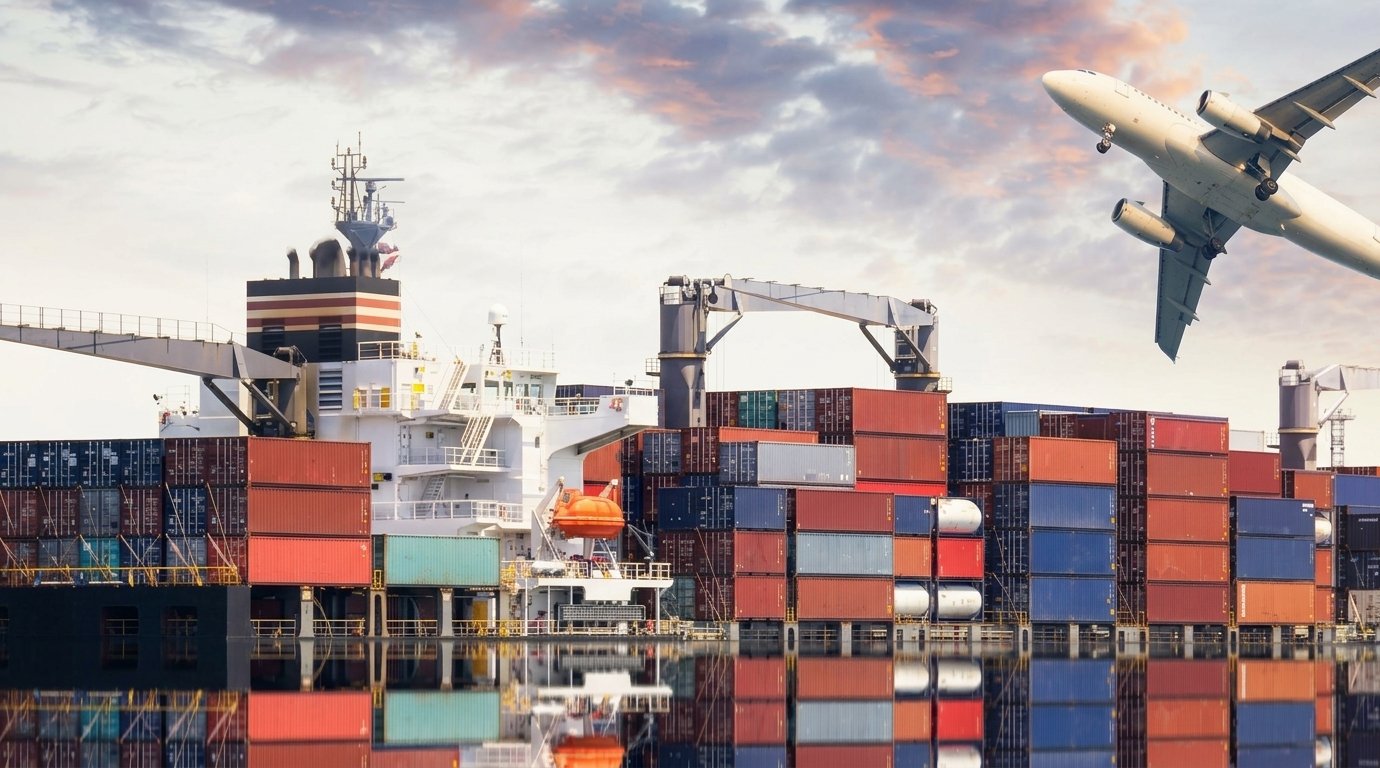
Choosing between air and ocean freight depends on the shipment profile, not a single rule. LAC™ brings 25+ years of experience and a network of vetted carriers to move cargo between North America, Latin America, and the Caribbean.
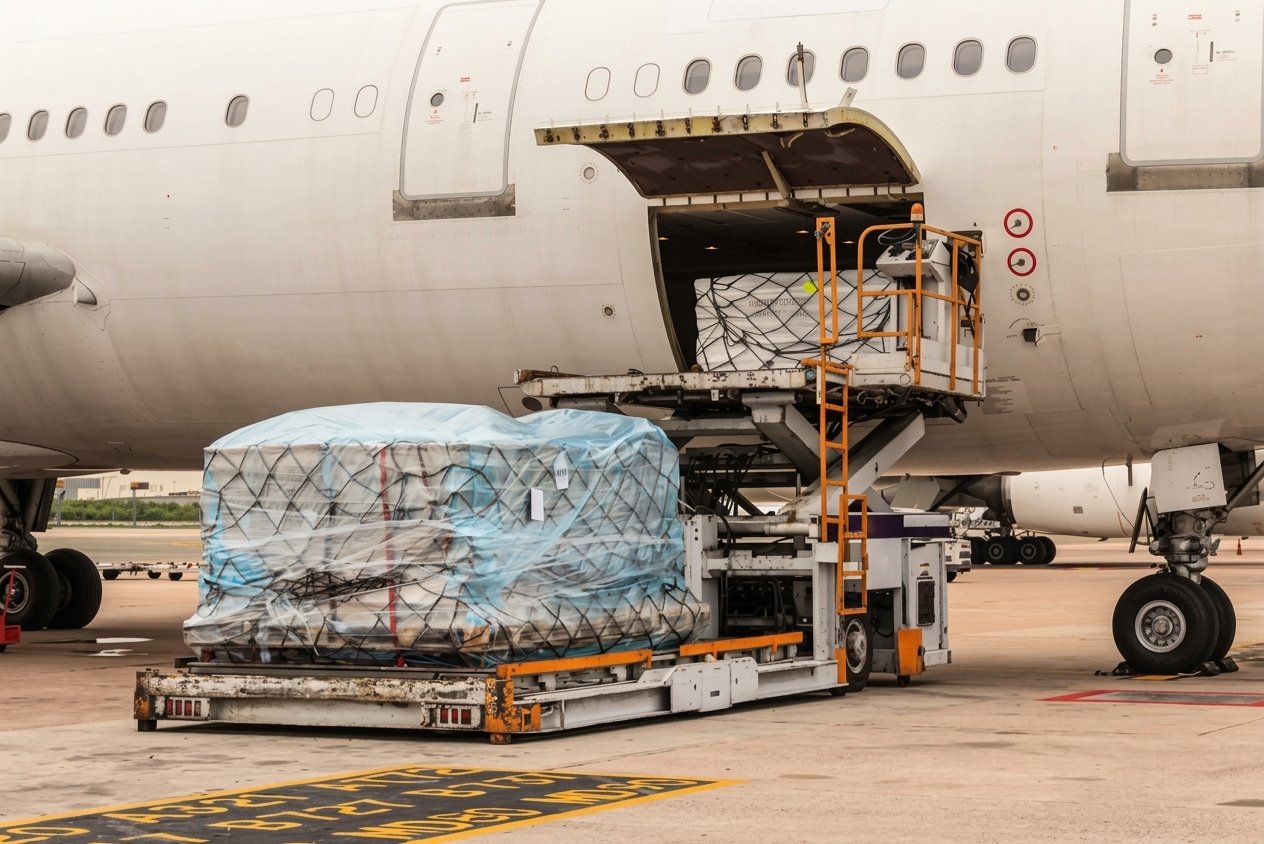
Air cargo moves goods by scheduled or chartered aircraft, with each shipment limited by what the aircraft can hold. Ocean freight moves goods by vessel, either as a full container load (FCL) for one shipper or a less than container load (LCL) shared with other shippers, with roll-on/roll-off (RORO) and breakbulk service for pieces that do not fit a container. For sea vs. air freight decisions, LAC coordinates both modes through its network of vetted carriers.
Air is typically faster, and the gap matters most when a deadline is close. Ocean transit depends on sailing schedules, and missing a sailing can mean waiting for the next departure, while flights may be more frequent on some lanes. Air and ocean freight transit times vary by route and season, and handling at both ends adds time to either mode. Compare door-to-door schedules, service levels, cutoffs, and handling, which LAC reviews for each shipment.
Air suits cargo that cannot wait. Perishables with a short shelf life, temperature-sensitive goods that need a short transit time, and high-value goods that need careful handling are common air cargo candidates because shorter transit times mean less exposure to delays. Urgent replacement parts often fly for the same reason. The common thread is that fast arrival justifies the mode, and a specialist confirms the piece fits the aircraft dimensions and weight limits before booking.
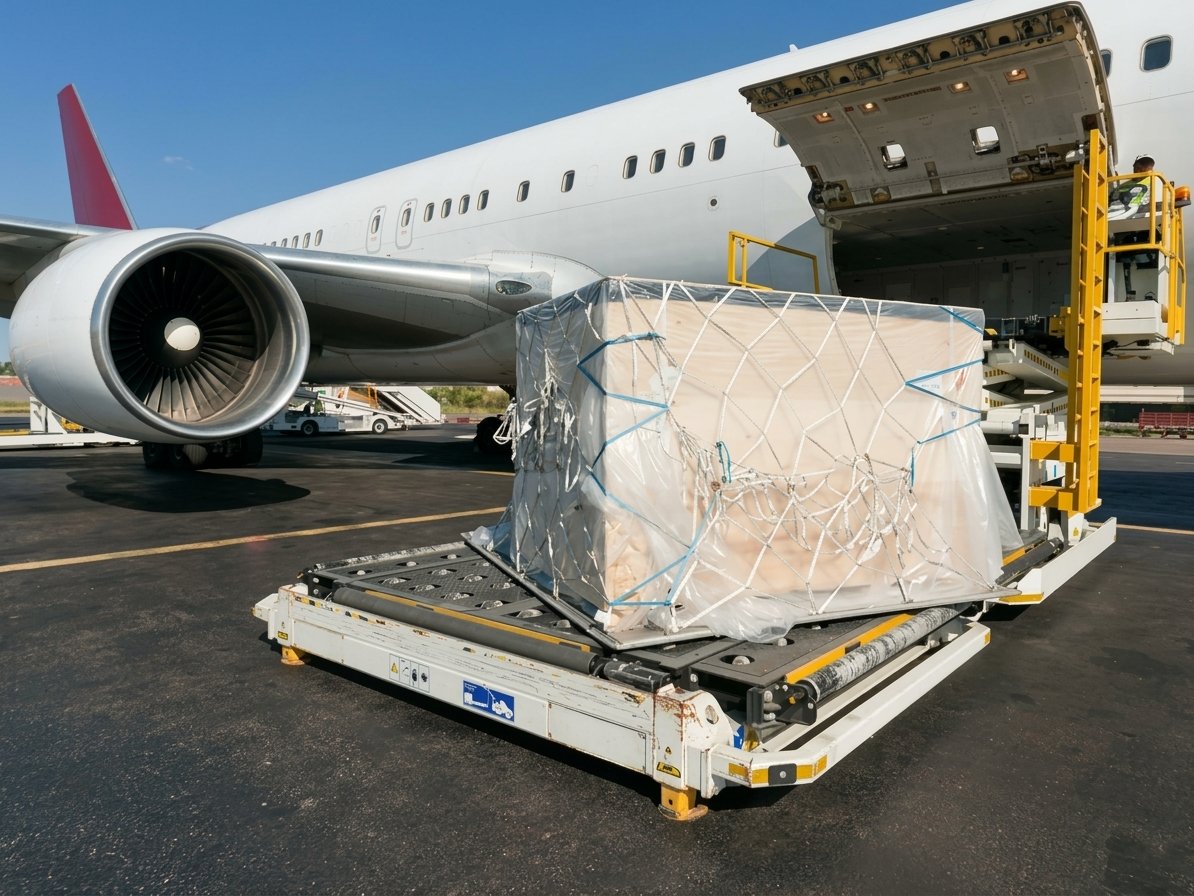
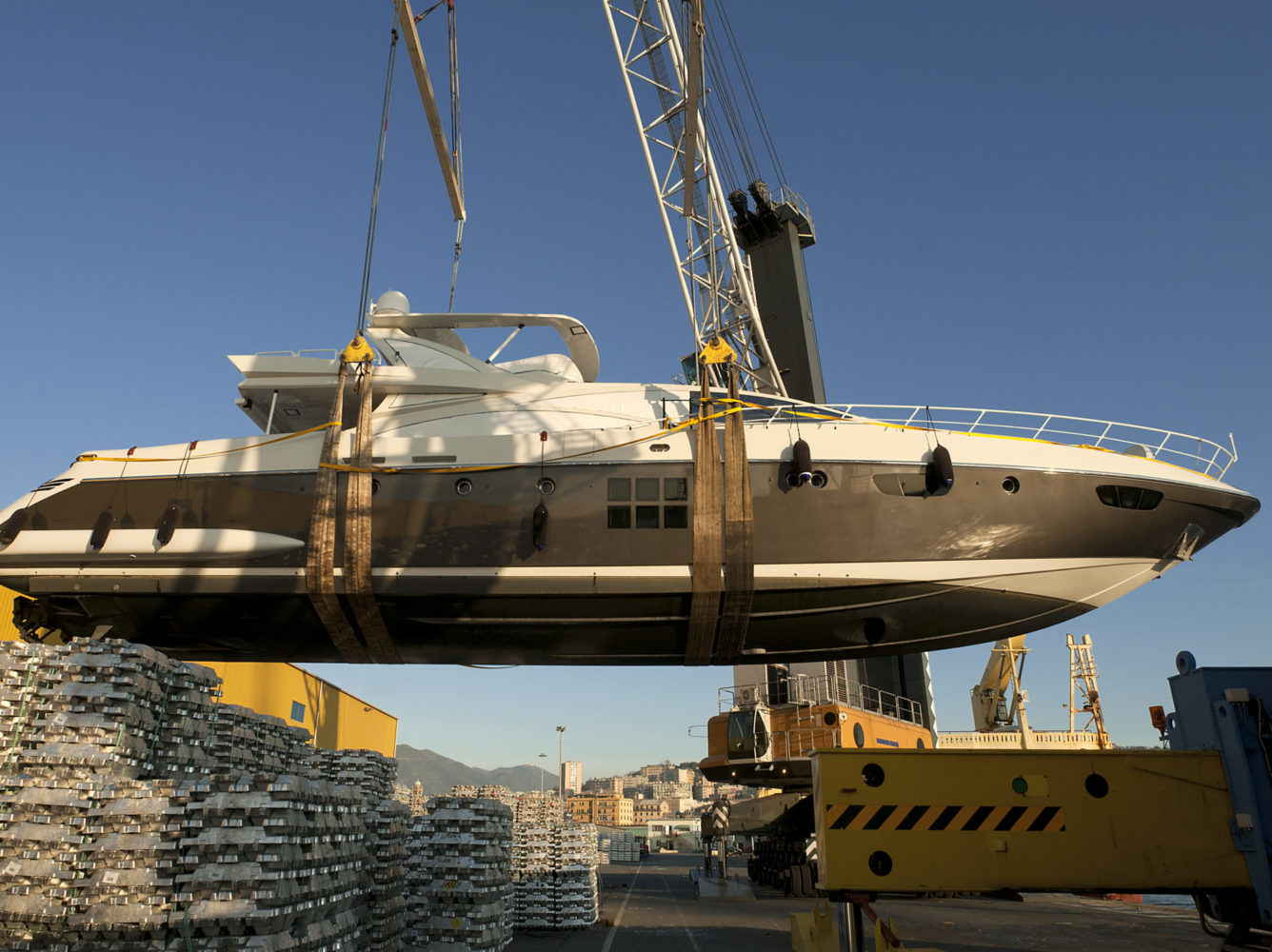
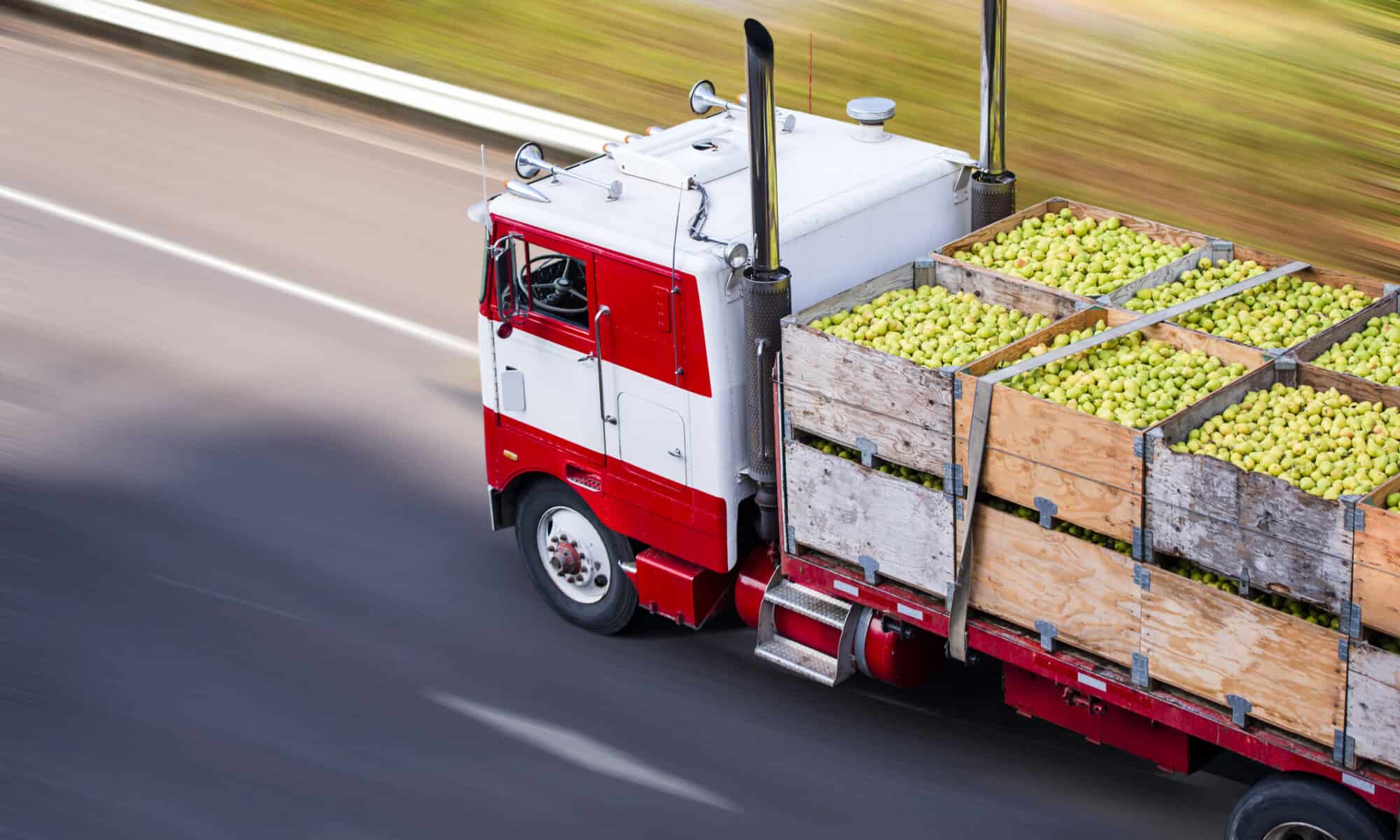
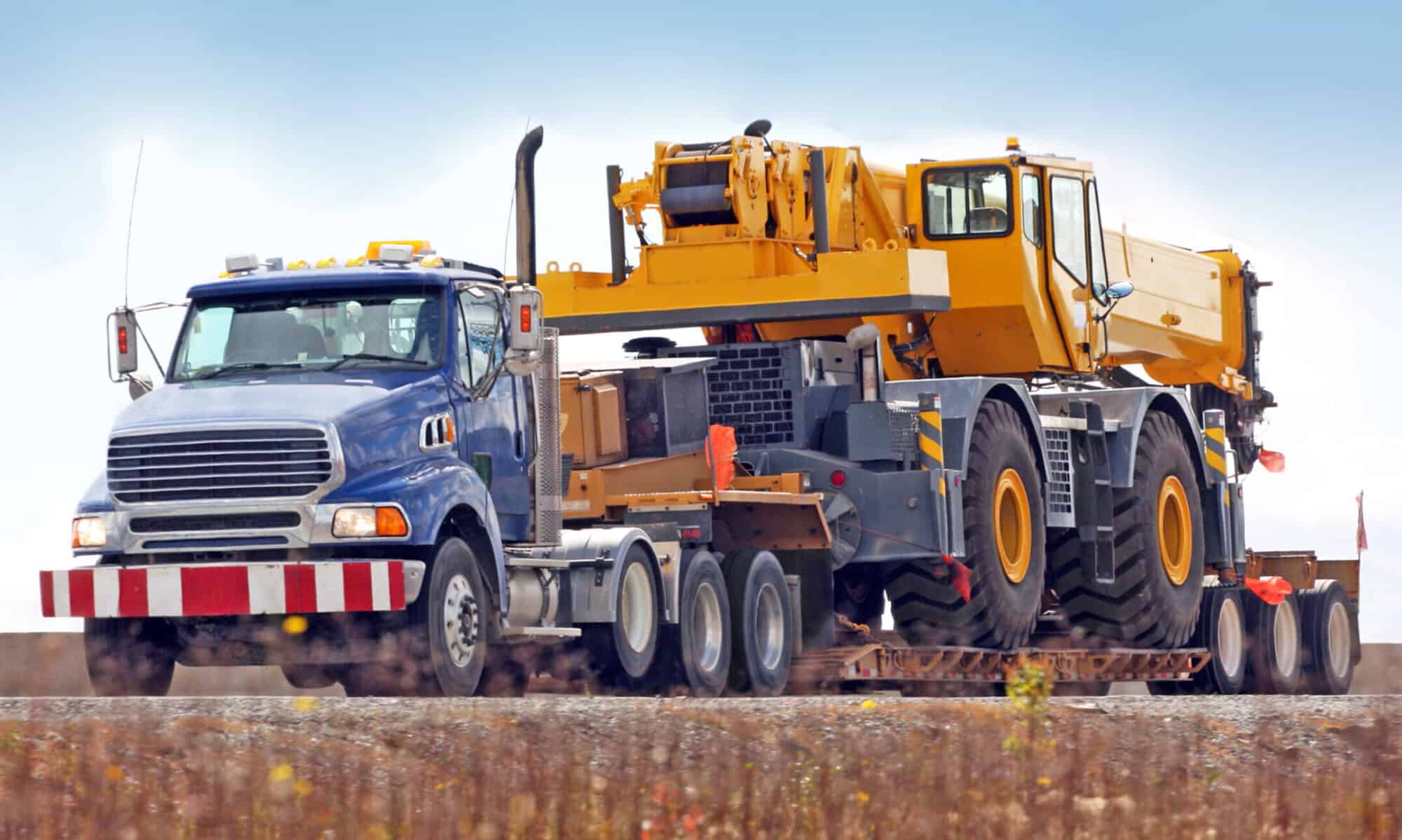
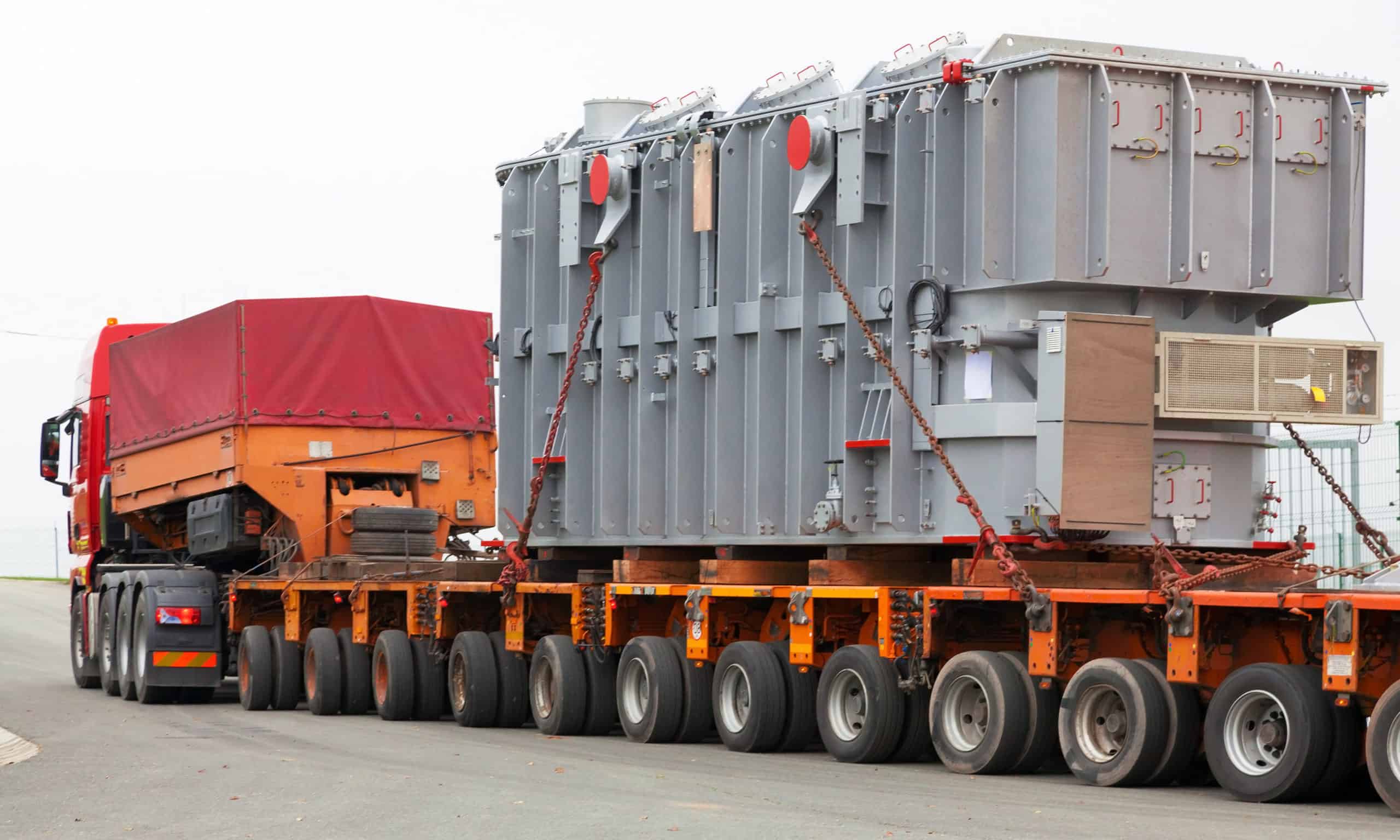
Ocean suits cargo where volume, weight or size matters more than speed:
LAC coordinates each of these through its ocean services, matching the container type or vessel to the cargo.
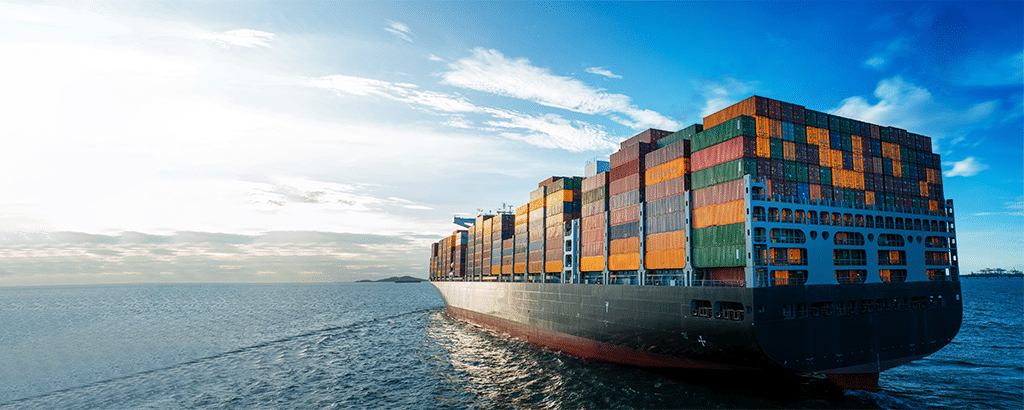
Aircraft door and hold dimensions set a hard limit on piece size, and weight limits apply per piece and per flight. Scheduled air cargo handles general freight within those limits, and you can consider an air charter service when a scheduled flight cannot take the piece. Ocean handles larger pieces, from full containers to break bulk units lifted aboard. Confirm limits with the carrier before booking, because a piece that fits on paper still has to fit the equipment.
More handling raises the importance of packaging and cargo insurance. LCL ocean freight involves more handling than FCL, because the cargo is consolidated and separated at each end, so adequate packaging and cargo insurance are recommended for LCL shipments. Air cargo also moves through terminals at both ends, so packaging built for handling still matters. Neither mode removes risk entirely. The practical approach is to package for the chosen mode and route and insure the cargo for its value.
The decision comes down to the shipment profile, summarized here:
| Factor | Air | Ocean |
|---|---|---|
| Speed | Typically faster | Typically slower, varies by route and season |
| Cargo | Perishable, temperature-sensitive, high-value | Larger volumes, heavy, bulky, planned inventory |
| Size limits | Aircraft door and hold dimensions | Larger pieces via FCL, LCL, RORO or breakbulk |
| Schedule | More frequent flights | Sailings less frequent |
How to choose between air and ocean freight then follows: match cargo, deadline and piece size to the mode, and let LAC confirm the plan.
Learn from the experiences of those who matter most: our customers







 LAC Blog
 Export Guides
 Transport Guides
 Logistics Glossary
 Container Types Guide
 Trailers Types Guide
 Incoterms 2020 Rules