

 Request a Quote
Start shipping now
Request a Quote 
Start shipping now
Request a Quote
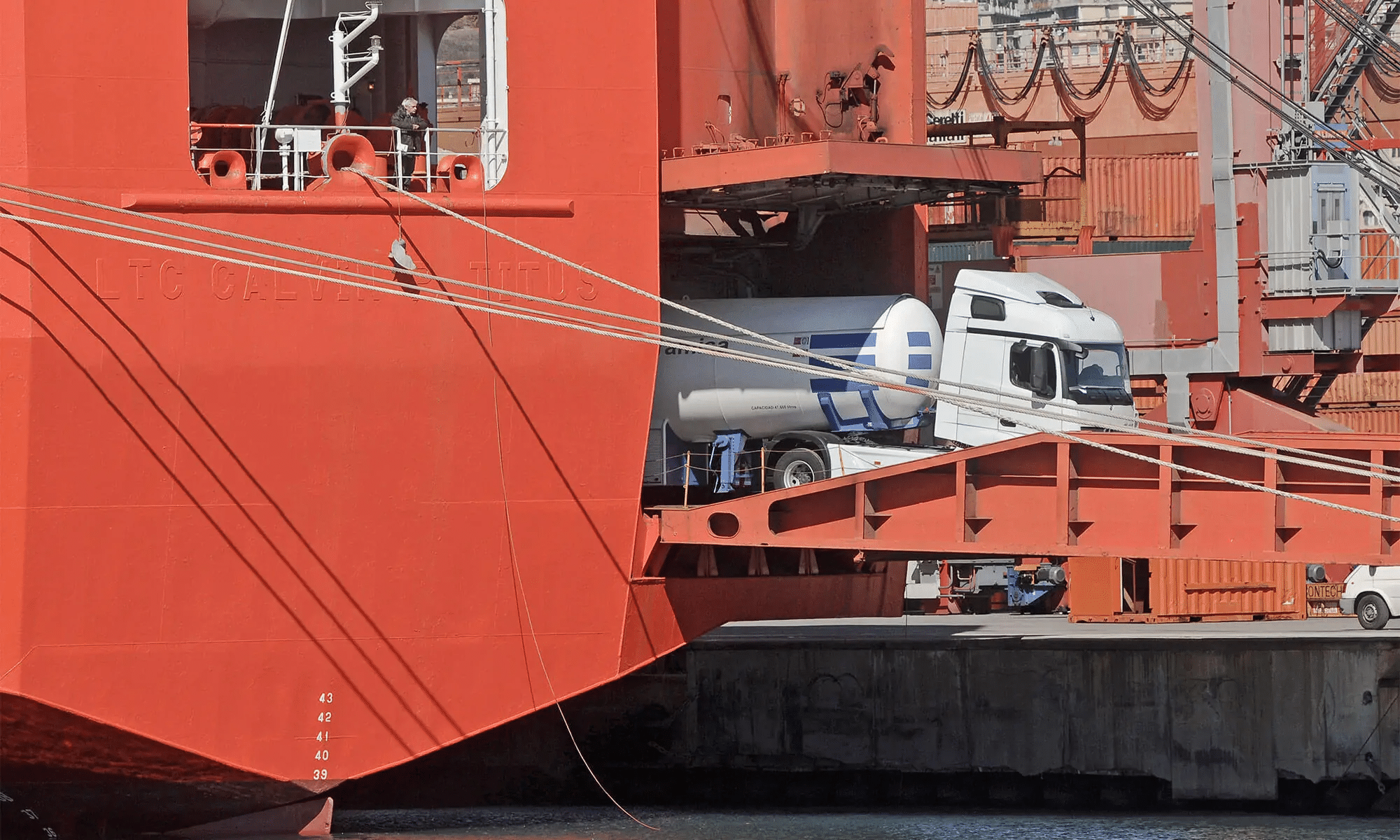
Oversized cargo shipping covers freight that exceeds standard container or trailer limits. LAC™ brings 25+ years of experience to freight moving between North America, Latin America, and the Caribbean, coordinating a network of vetted carriers across ocean, ground, and air.
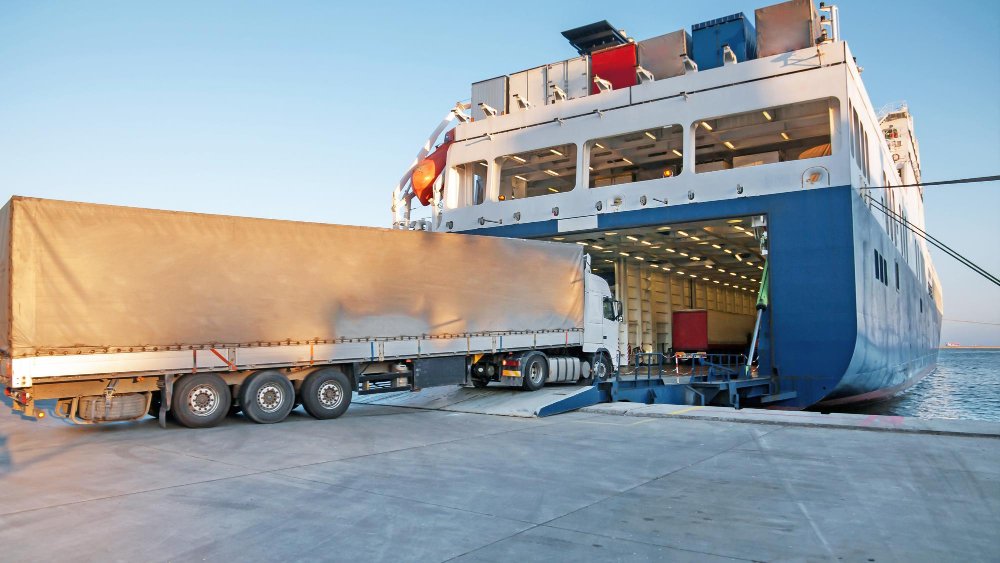
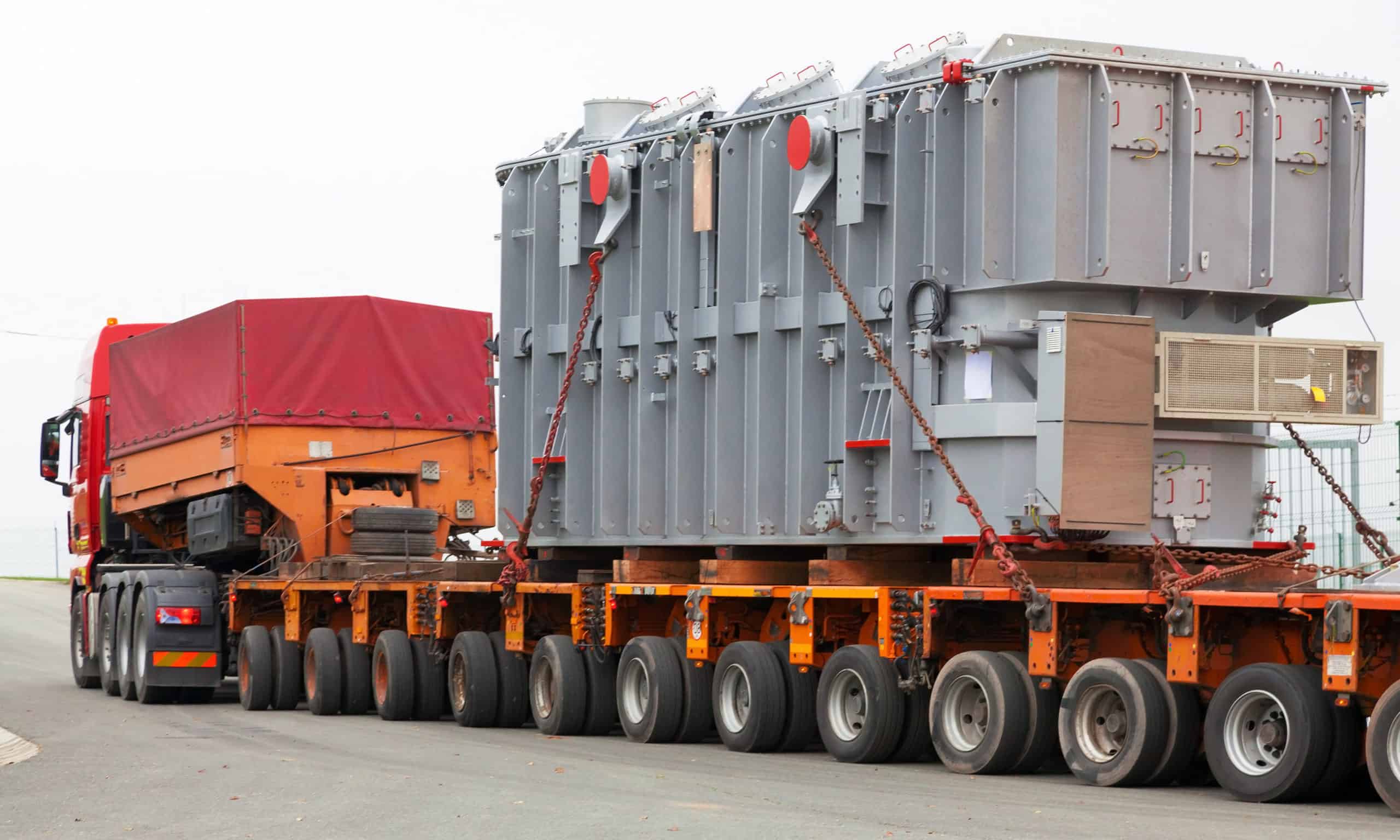
Oversized cargo is commercial freight whose dimensions, weight, or shape exceed what a standard container or trailer can hold. Industrial machinery and construction equipment are typical examples, and this freight often moves as project freight rather than as routine container shipments. Because you can’t simply load and seal the piece, you have to plan the move around it: the equipment, the route, and the handling at each transfer point. LAC brings 25+ years of experience to each of those plans.
Oversized cargo freight falls into a few groups, and the group shapes every later decision:
In search terms, this is often called oversize cargo, and specialists confirm the classification first.
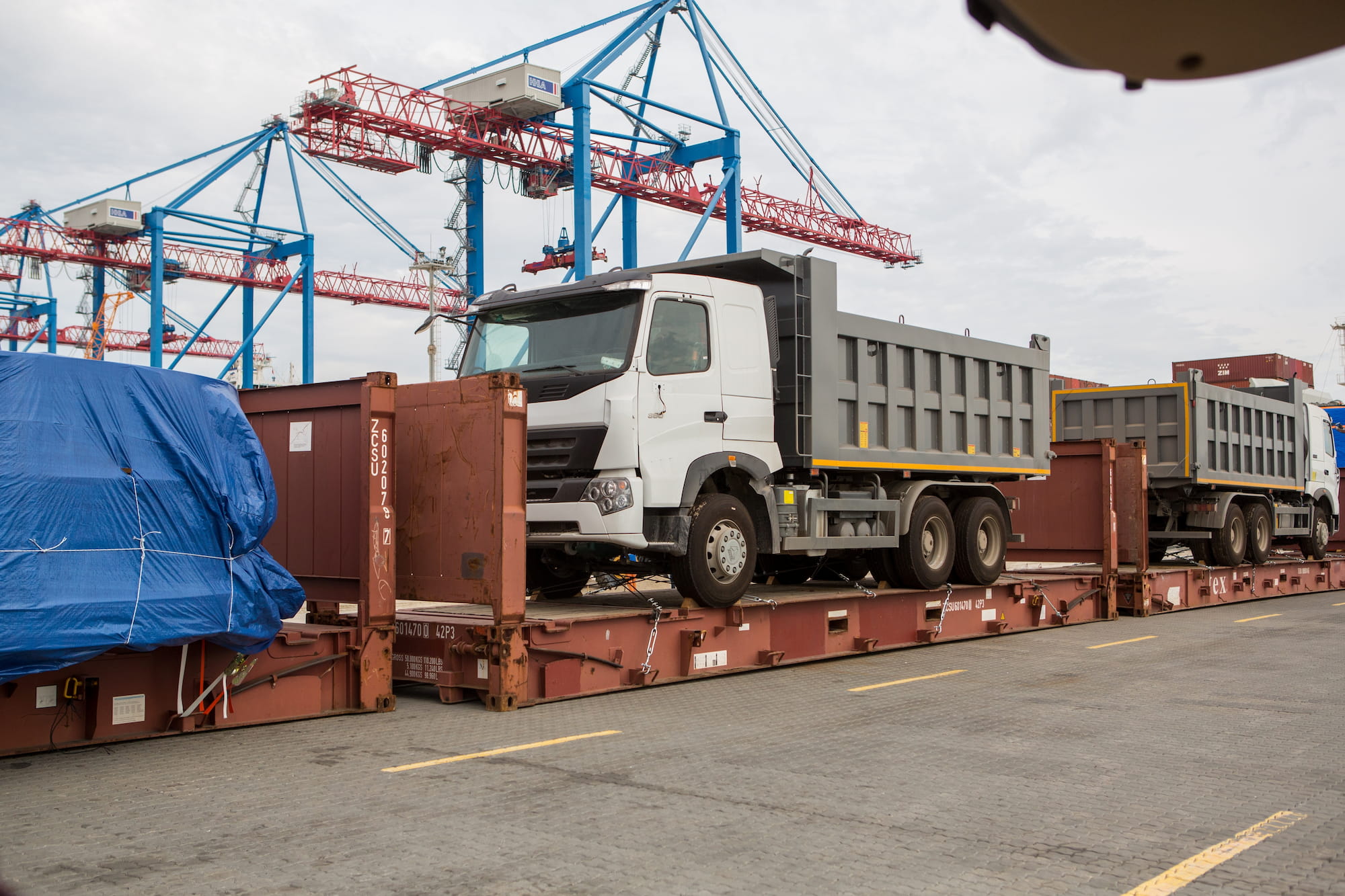
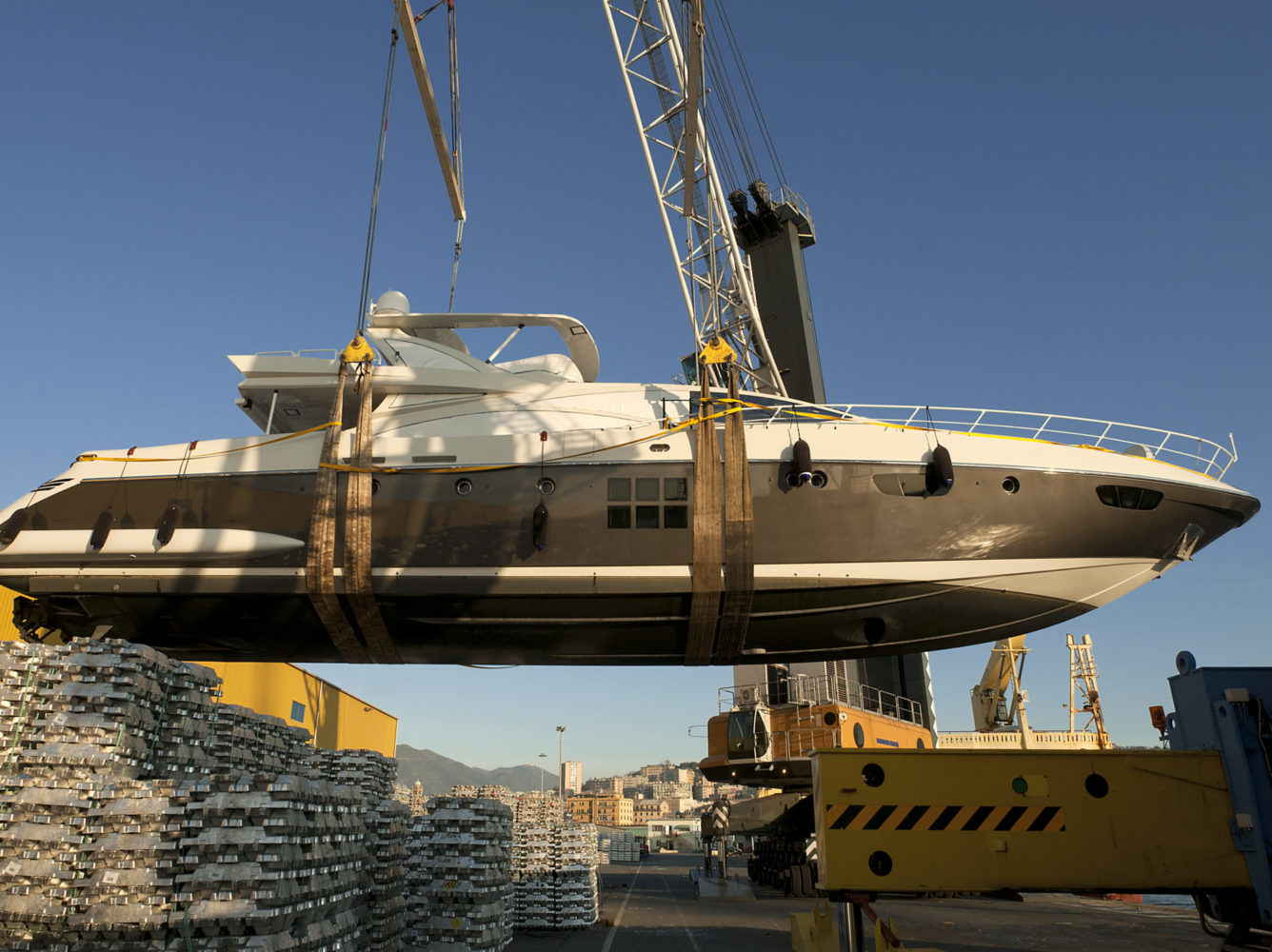
Ocean freight for oversized cargo is matched to the piece. Wheeled equipment can roll onto a ro-ro (roll-on, roll-off) vessel. Pieces that cannot roll move on a flat rack container, which has no sides, or an open-top container, which is loaded overhead by crane, with the piece secured in place. The largest units travel as break bulk, lifted aboard individually at port. Vessel and port suitability varies by route, so LAC coordinates the plan with its carrier network before booking.
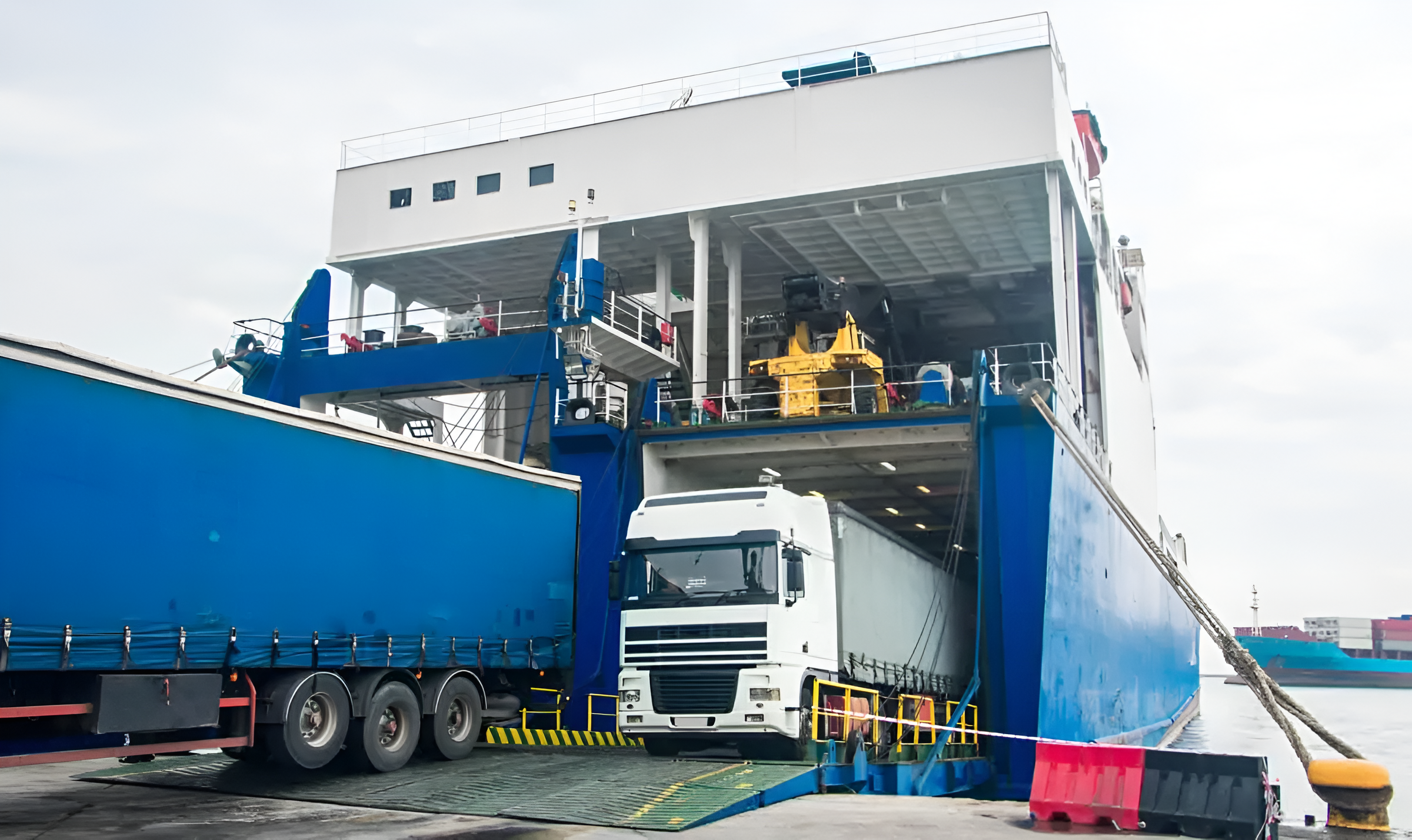
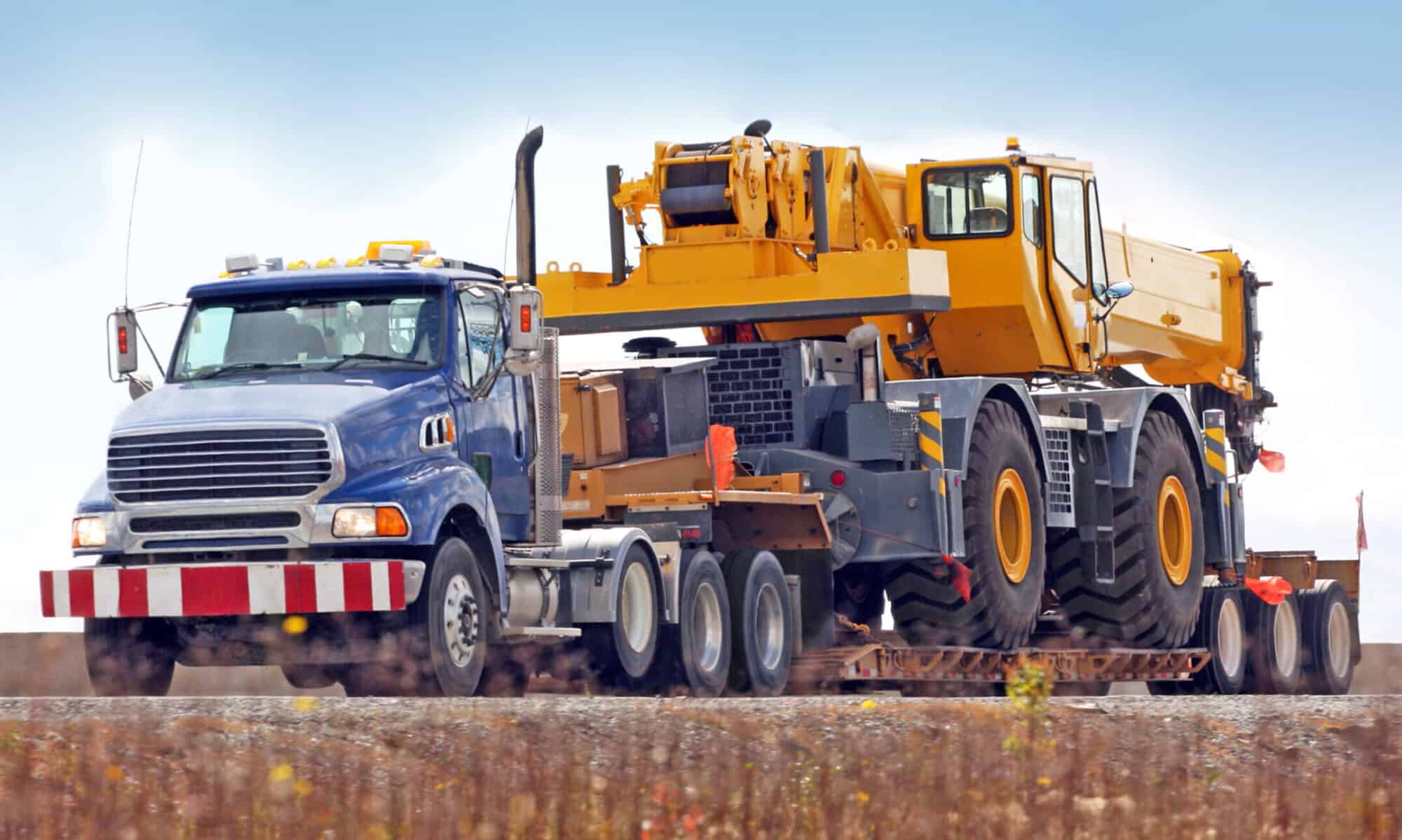
Ground is usually one leg of a multimodal move, to or from a port or border. Within the United States-Mexico-Canada Agreement (USMCA) region, LAC arranges those legs through vetted carriers, matching the equipment to the piece. A flatbed suits standard freight, a step deck adds clearance for taller pieces, a double drop or RGN lowers the deck further for the tallest units, and a Conestoga covers freight with a tarp that rides on a frame and never touches the load.
Air fits time-critical or high-value pieces when the schedule justifies it. Scheduled air cargo handles pieces within the aircraft’s loading dimensions and weight limits, and you can consider an air charter service when a scheduled flight cannot take the piece. Not every piece can fly, so confirm dimensions and weight with the air carrier before booking. LAC lists both air cargo shipping and an air charter service among the freight options it coordinates.
Planning the land legs starts early, because requirements vary by state, province, and route, and a single ground leg can cross several jurisdictions. Actual permit, routing, and escort conditions come from every jurisdiction and permit on the planned route, not one figure. Route checks cover bridges, overhead clearances, and turns, while permits are arranged for each jurisdiction the piece crosses. LAC coordinates these steps through its carrier partners so the ground leg can be planned around the vessel or flight schedule.
A successful oversized cargo move brings the modes together in one multimodal project freight plan: the ocean leg matched to the piece, the ground legs arranged through vetted carriers, the border crossings planned around capacity and paperwork, and air reserved for the pieces that need it, with documentation coordinated alongside the transport. With 25+ years of experience across North America, Latin America, and the Caribbean, LAC plans each move around the freight, from the first measurements through to final delivery.
Learn from the experiences of those who matter most: our customers









 LAC Blog
 Export Guides
 Transport Guides
 Logistics Glossary
 Container Types Guide
 Trailers Types Guide
 Incoterms 2020 Rules